Wellbeing › Neck care › Product guide
5 things to know about tension at the base of your skull
Why your upper neck can feel tight, what else to look out for, and where warmth and massage fit in.

Summary. There’s a spot where the back of your head meets your neck that can feel particularly tight by the end of the day. Sometimes the ache spreads across your shoulders. Sometimes it comes with a headache. What’s happening in that small area, and what can you do about it?
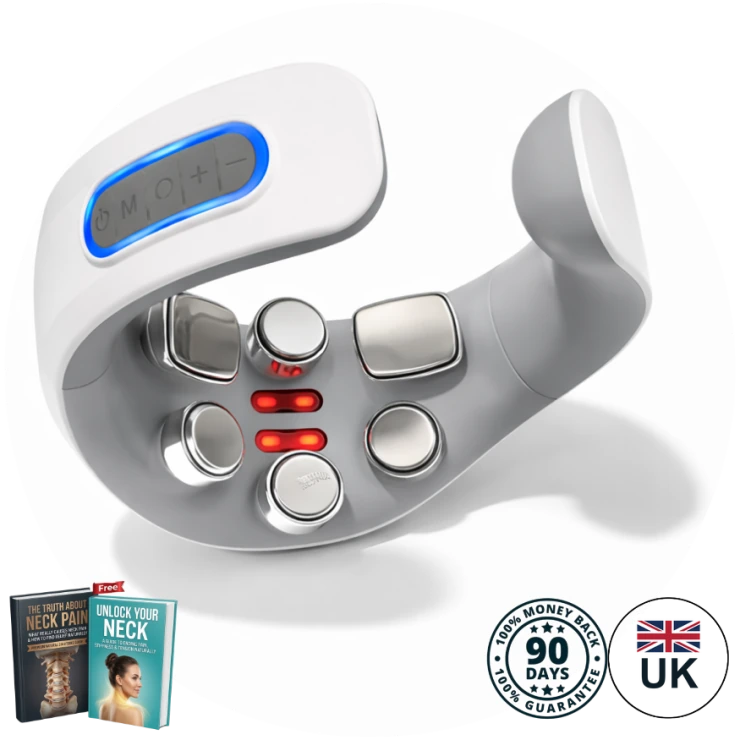
Here are five things to know about suboccipital tension, from the muscles that help you turn your head to the symptoms worth discussing with your GP. We also look at Rivelity Neckflow Pro, a cordless option for people who enjoy warmth and massage at home.
Advertisement feature from Rivelity, the maker of Neckflow Pro.
1. A feeling of pressure where your head meets your neck
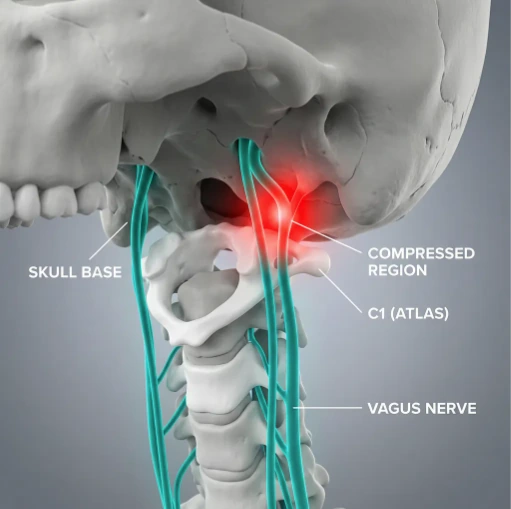
After an afternoon at a screen, you might notice a dull ache just under the back of your skull. It’s tempting to put a precise label on it. A feeling of pressure in that spot, though, tells you very little about what is happening to a particular nerve.
The pattern can be more useful. Is your neck stiff when you wake, or does it gradually tighten after hours in one position? Can you turn your head comfortably when you get up and walk about? These are useful details to describe if you speak to a physiotherapist or GP.
2. The small muscles at the base of your skull have a steady job
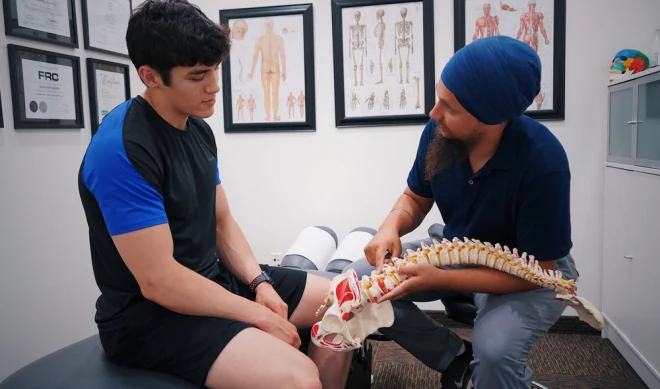
The suboccipital muscles sit deep at the top of the neck, just beneath the skull. They help with small movements of your head, such as looking up or turning slightly to one side. Larger muscles nearby run down towards the shoulders.
Think about reading a laptop screen placed off to one side. You may hold your head turned for much longer than you realise. Bring the screen in front of you and see how often you get a chance to change position during the day.
View the offer & check availability
3. A busy day can leave your upper neck and shoulders feeling wound up

You finish a difficult call and realise your shoulders have crept towards your ears. Stress and poor sleep can play a part in tension headaches. Some people feel tenderness around the head and neck or a band-like pressure on both sides of the head.
Try letting your shoulders settle and moving away from your screen for a few minutes. If headaches keep happening, a brief note of when they occur, how long they last and what they feel like can help you explain the pattern to your GP.
4. A stiff neck doesn’t explain every symptom that comes with it

Dizziness, acid reflux or a racing heartbeat can occur on a day when your neck also aches. Having them together doesn’t establish that your neck is trapping a nerve. Each has several possible causes and can need different care.
Speak to your GP about dizziness or palpitations that keep returning. If you have palpitations with chest pain, breathlessness or feel as if you might faint, call 999. Those symptoms need urgent assessment.
5. Warmth and massage can be part of a break
For everyday stiffness, you may find a wrapped warm pack or gentle massage pleasant. The warmth can feel soothing while you sit, and stepping away from what you were doing gives you a chance to move your neck again.
Pay attention to how you feel afterwards as well as during the session. If the pain lasts a few weeks, worries you, or comes with pins and needles or a cold arm, arrange to see your GP.
View the offer & check availability
So what can you actually do about upper-neck tension?
Start with what you notice. If the tightness follows long spells in one position, try one small change and see how you feel over the next few days. If you enjoy massage, make it part of a comfortable break at home.
- Bring reading material or your screen into a comfortable line of sight.
- Change position during the day and keep your neck moving comfortably.
- Try a low, firm pillow if you often wake with your head tilted to one side.
Warmth and massage while you relax
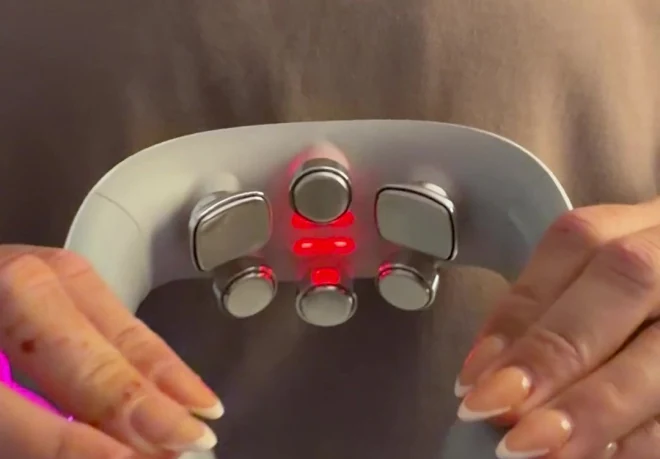
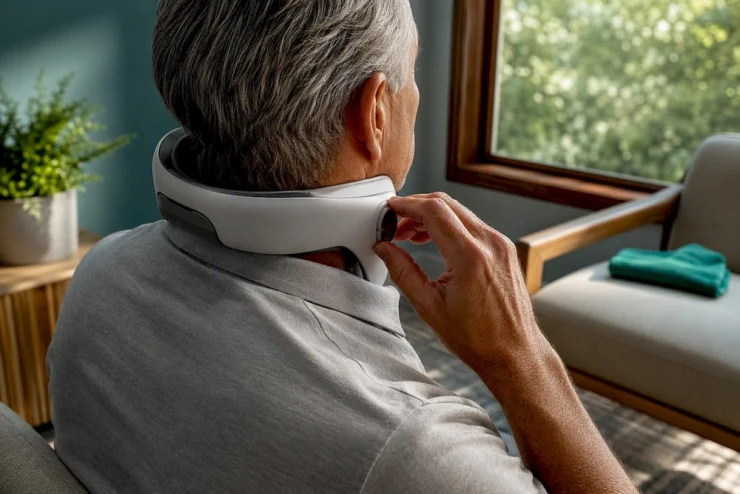
If you enjoy a hands-free neck massage, Neckflow Pro rests around the back of your neck. Its controls let you choose the sensation you prefer while you sit and relax.
- Adjustable warmthChoose a heat setting for a warming sensation across the contact pads.
- Electrical muscle stimulation (EMS)Small electrical pulses create a sensation that feels different from ordinary vibration. The intensity is adjustable.
Vibration, red light and charging
- VibrationExplore the massage patterns and choose the rhythm that feels most comfortable.
- Red lightBuilt-in red lights are part of the Pro model, alongside its heat, EMS and vibration features.
- Cordless, rechargeable designCharge the unit by USB, then use it away from the socket. The controls sit on the side of the massager.
Which model suits your routine?
The Rivelity product page puts the two models side by side. Neckflow Pro includes EMS, warmth, vibration and red light. The Neckflow 2.0 combines EMS and warmth. Select a model to see its price and what comes with it.
The current UK price for Neckflow Pro is £89.54. Standard delivery is free to UK addresses. You can check the latest offer, included gifts and available accessories before you order.